Arterial bleeding is one of the most serious medical emergencies because blood can flow rapidly from the body within minutes. Quick action, calm thinking, and proper first aid techniques can greatly improve safety until professional care arrives. Two of the most effective methods used to control severe blood loss are direct pressure and tourniquets. Understanding how these techniques work can help people respond with confidence during emergencies.
Why Arterial Bleeding Requires Immediate Action
Arterial bleeding happens when an artery is damaged, causing bright red blood to pulse or spurt with each heartbeat. Since arteries carry oxygen-rich blood throughout the body, severe blood loss can happen very quickly.
Common warning signs include:
- Rapid blood flow from a wound
- Bright red blood that spurts outward
- Weakness or dizziness
- Pale or cool skin
- Increased breathing rate
- Confusion or faintness
Recognizing these signs early allows faster and more effective treatment.
How Direct Pressure Helps Control Bleeding
Direct pressure is often the first and most important response to heavy bleeding. What is the most effective way to stop an arterial bleed when there is no object still in the wound? Applying firm pressure over the wound helps compress damaged blood vessels and slow blood flow.
Key Benefits of Direct Pressure
- Helps reduce blood loss quickly
- Supports natural clot formation
- Can be performed immediately with basic materials
- Provides temporary control while additional help is arranged
- Works well for many limb and soft tissue injuries
Steps for Applying Direct Pressure
- Use a clean cloth, bandage, or dressing if available
- Place it directly over the wound
- Press firmly using both hands if needed
- Maintain constant pressure without lifting the material repeatedly
- Add extra layers if blood soaks through
Steady pressure is extremely important because frequent checking can disturb clot formation and restart bleeding.
When Tourniquets Become Necessary
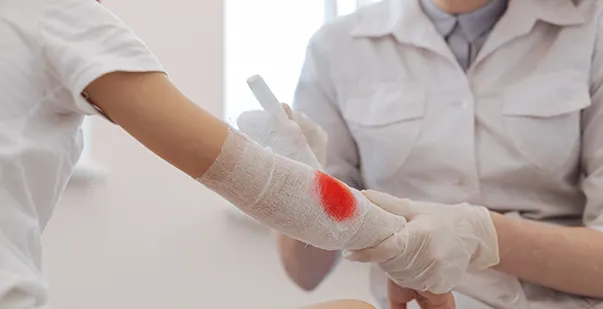
A tourniquet is used when direct pressure alone cannot stop severe bleeding from an arm or leg. It works by tightening around the limb to reduce blood flow below the injury site.
Tourniquets are especially helpful during major emergencies involving:
- Deep limb injuries
- Severe cuts or crushing trauma
- Situations with large blood loss
- Conditions where direct pressure is ineffective
- Emergencies requiring rapid bleeding control
Positive Effects of Tourniquet Use
- Slows life threatening blood loss
- Gives rescuers more control during emergencies
- Helps maintain circulation to vital organs
- Increases survival chances when used correctly
- Allows safer movement of injured individuals if necessary
Important Tourniquet Safety Tips
Correct placement and proper tightening are essential for effectiveness.
Helpful Guidelines
- Place the tourniquet above the wound site
- Avoid positioning it directly over joints
- Tighten until heavy bleeding stops
- Keep the device visible for medical responders
- Stay calm and monitor the injured person continuously
Once severe bleeding is controlled, reassurance and careful observation can help keep the injured person stable until advanced care becomes available.
Combining Both Methods for Better Results
Direct pressure and tourniquets often work together during emergencies. Pressure may control bleeding initially, while a tourniquet offers stronger control for severe limb injuries. Using both methods appropriately creates a more effective response and improves overall safety.
Additional Emergency Care Tips
- Encourage the injured person to remain still
- Protect the body from excessive heat or cold
- Watch for signs of shock
- Seek emergency medical assistance immediately
- Continue monitoring breathing and responsiveness
Learning these techniques builds confidence and preparedness. Quick action, steady pressure, and proper tourniquet use can make a major difference during serious bleeding emergencies and help protect lives when every second matters.