Vehicle Customization Rules Every Leaseholder Should Know Before Tinting

A leased vehicle can still feel personal when thoughtful customization is planned carefully. Window tint can improve cabin comfort, privacy, glare control, and appearance, but leaseholders should understand the rules before making changes. Since the vehicle usually must be returned according to agreed condition standards, checking requirements early helps keep the process smooth.

Review The Lease Agreement First

The lease contract should be the starting point before tinting is scheduled. Modification clauses can explain whether window film is permitted, whether written approval is required, and how the vehicle should be restored at the end.

  • Read sections covering alterations, accessories, modifications, and vehicle condition.
    • Look for requirements about returning the vehicle in original condition.
    • Check whether removable window film is treated differently from permanent changes.
    • Ask for written confirmation when the wording is unclear.
    • Keep approval records with your lease documents.

Understanding these details can make customization easier because expectations are clear from the beginning. Guidance on leased-car tinting also emphasizes checking the contract and obtaining permission when necessary.

Choose A Reversible Approach

Tinting is easier to manage on a lease when the installation can be removed cleanly without damaging the glass. A careful approach supports present enjoyment and future flexibility.

  • Choose quality removable film suitable for automotive windows.
    • Use professional installation to reduce bubbling, peeling, and residue.
    • Avoid cutting, scratching, or altering window components.
    • Keep installation records and product information for future reference.
    • Plan for professional removal if the lease requires factory condition at return.

A clean installation can help preserve the appearance of the windows while providing benefits throughout the contract period. Reversibility is an important consideration for aftermarket changes on leased vehicles.

Check Tint Requirements Before Installation

Legal requirements can vary depending on where the vehicle is registered and operated. Tint darkness is commonly described through Visible Light Transmission, or VLT, which indicates how much visible light passes through the glass. Checking requirements before installation helps prevent avoidable changes later.

  • Confirm permitted VLT levels for each window.
    • Pay special attention to front side windows and the windshield.
    • Ask the installer to verify the selected film’s light transmission.
    • Keep documentation showing the film specification.
    • Select a compliant shade that supports clear visibility.

For additional guidance on whether tinting fits a lease arrangement, https://www.flexippf.com/can-you-tint-a-leased-car/ can help leaseholders understand key considerations before proceeding.

Prepare For Lease Return

Planning for the end of the lease makes customization easier from the start. If removal is required, arranging it early provides time to inspect the glass and address residue or installation concerns.

  • Review return standards before handback.
    • Confirm whether the tint must be removed.
    • Schedule careful removal when required.
    • Inspect windows for adhesive residue, scratches, or damage.
    • Keep the vehicle clean and well maintained.

A thoughtful customization plan allows leaseholders to enjoy added comfort while staying prepared for the final inspection. Reviewing the contract, following tint requirements, choosing reversible options, and documenting the work can make the experience straightforward and positive.

Pneumatic Butterfly Designs Provide Efficient Flow Regulation Solutions

Efficient fluid management depends on equipment that combines reliable movement, practical construction, and suitable flow control. Pneumatic butterfly designs provide a compact approach to automated flow handling by pairing a quarter-turn valve mechanism with pneumatic actuation. Their lightweight construction, flexible configurations, and dependable operation make them useful for many demanding fluid management requirements.

Compact Designs Support Efficient Installation

Butterfly valves use a rotating disc to regulate or isolate flow, creating a straightforward arrangement with relatively compact dimensions. Their practical construction can support efficient installation while fitting naturally into appropriately designed piping systems.

  • Compact structures can simplify equipment arrangement.
  • Quarter-turn operation supports quick positioning.
  • Multiple connection styles provide installation flexibility.
  • Lightweight construction can ease handling.
  • Suitable sizing supports varied pipeline requirements.

Pneumatic Actuation Adds Responsive Operation

Pneumatic actuators use compressed air to move the valve between operating positions. Single-acting and double-acting configurations provide useful choices according to positioning and cycling requirements.

  • Automated movement can reduce manual intervention.
  • Pneumatic operation can provide responsive positioning.
  • Single-acting designs can support spring-return operation.
  • Double-acting designs can support repeated cycling.
  • Suitable torque selection promotes dependable movement.

Material Options Support Diverse Applications

Selecting appropriate body, disc, and sealing materials helps align valve construction with process conditions. Available material combinations can accommodate different fluid characteristics, temperatures, and operating environments.

  • Stainless construction can support demanding conditions.
  • Polymer options can suit selected chemical applications.
  • Resilient seals can support reliable shut-off.
  • Specialized lining can improve material compatibility.
  • Metal seating can support higher-temperature requirements.

Flexible Configurations Improve System Planning

Different connection and valve configurations allow engineers to select arrangements that suit specific piping layouts. Wafer, lugged, flanged, and clamp connections provide practical choices for different installation requirements.

  • Wafer designs can support compact arrangements.
  • Lugged configurations can provide secure connections.
  • Flanged designs can suit established piping systems.
  • Clamp connections can support hygienic applications.
  • Varied sizes can accommodate different flow requirements.

Use https://www.vincervalve.com/pneumatic-actuated-butterfly-valves/ for efficient selection. Careful selection can help engineers match valve size, connection type, material, sealing arrangement, temperature, pressure, and air supply with actual process requirements. Reviewing these factors creates a structured foundation for efficient equipment integration and dependable operation.

Automation Accessories Expand Functionality

Pneumatic butterfly arrangements can also incorporate accessories that support monitoring, positioning, and automated operation. These additions can help create coordinated systems with useful control and feedback capabilities.

  • Positioners can support proportional positioning.
  • Limit switches can provide position feedback.
  • Solenoid valves can support pneumatic triggering.
  • Air preparation units can condition supply air.
  • Manual overrides can provide operational flexibility.

Reliable Flow Management Supports Performance

Pneumatic butterfly designs bring together compact construction, responsive actuation, flexible materials, and varied configurations. With appropriate engineering evaluation, they can provide efficient flow regulation and dependable shut-off across suitable applications. Their adaptable design gives engineers practical opportunities to create organized, automated fluid management systems that support consistent performance, operational efficiency, and long-term reliability

Refresh Home Furnishings With Expert Restoration Techniques

Furniture brings warmth, character, and comfort to every room. With thoughtful restoration techniques, beloved furnishings can regain their original charm while fitting beautifully into refreshed interiors. Quality restoration focuses on preserving attractive details, improving functionality, and creating a polished appearance that complements modern living. Whether it is a wooden table, an elegant chair, or a cherished cabinet, careful attention can make each piece feel renewed and ready for many more years of enjoyment. A professional approach to meubelreparatie can help restore useful features while maintaining the unique personality of each furnishing.

Assess Every Furniture Detail

A successful restoration begins with a careful look at the furniture. This allows each part to receive the appropriate treatment while preserving its distinctive qualities.

  • Examine joints, frames, surfaces, and decorative elements.
  • Identify areas that can benefit from careful renewal.
  • Consider the original design when planning improvements.
  • Select restoration methods that complement the furniture’s construction.

This thoughtful preparation creates a strong foundation for a beautiful result.

Revitalize Wooden Surfaces

Wooden furniture can develop a renewed sense of beauty through suitable cleaning, conditioning, polishing, and finishing methods. Gentle surface preparation can reveal attractive grain patterns and help create a smooth, refined appearance. Small refinishing touches can also coordinate a restored piece with surrounding décor.

Natural wood tones often bring a welcoming atmosphere to living spaces. Refreshing these surfaces can therefore enhance both the furniture and the overall visual harmony of a room.

Improve Everyday Functionality

Restoration is not only about appearance. Functional improvements can make furniture more enjoyable to use every day.

  • Strengthen furniture joints for dependable performance.
  • Adjust doors and drawers for smooth movement.
  • Refresh handles, hinges, and other useful fittings.
  • Improve seating comfort while preserving the original design.
  • Renew protective finishes for a clean, finished presentation.

These improvements help combine attractive style with practical value.

Preserve Character Through Careful Craftsmanship

Every furnishing has details that contribute to its identity. Decorative trims, carved patterns, distinctive wood grains, and original proportions can all be preserved during restoration. Maintaining these features allows the furniture to retain its individual character while gaining a refreshed appearance.

Careful craftsmanship also makes it possible to balance traditional design with contemporary interiors. A restored furnishing can become a natural focal point without appearing out of place.

Create A Refreshed Interior

Restored furniture can support a fresh interior design in many ways. A renewed dining table can bring warmth to family gatherings, while a refreshed cabinet can add elegance and organization. Updated chairs, desks, and storage pieces can similarly contribute to a comfortable and coordinated environment.

Restoration also encourages homeowners to appreciate the furniture they already own. Instead of changing an entire room, refreshing selected pieces can introduce a noticeable sense of renewal while preserving familiar comfort.

Enjoy Lasting Furniture Appeal

Thoughtful restoration gives home furnishings an opportunity to look beautiful, function smoothly, and remain meaningful parts of everyday spaces. With suitable techniques, careful detailing, and attention to original character, furniture can become an even more attractive element of the home. A refreshed piece offers a rewarding blend of style, usefulness, and timeless appeal, helping interiors feel welcoming and thoughtfully maintained.

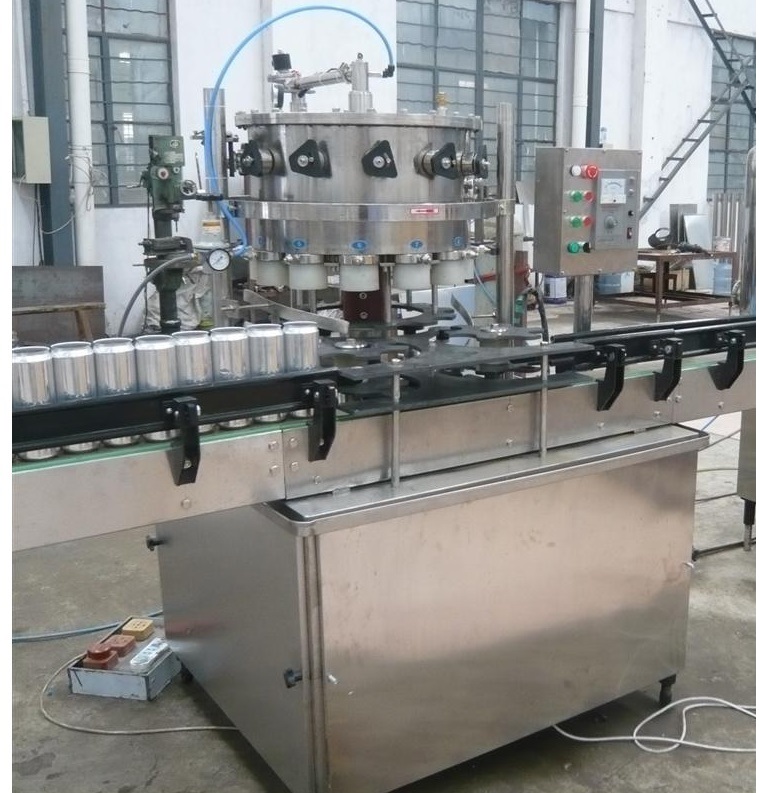
Improving Packaging Productivity Through Modern Filling Machinery

Efficient packaging depends on reliable filling processes that maintain consistent output, accuracy, and smooth workflow coordination. Modern filling machinery helps production teams improve productivity by combining precise filling performance with streamlined handling and convenient operational controls. Advanced designs support different container formats while helping maintain dependable production speeds. By integrating efficient filling solutions into packaging operations, businesses can achieve better workflow continuity, improved product consistency, and stronger overall productivity. Thoughtful machinery selection can also create a foundation for scalable production and long-term operational efficiency.

Enhancing Filling Speed

Modern filling machinery is designed to support steady production while maintaining controlled filling performance.

  • Faster filling cycles help increase overall production capacity.
  • Automated movements support smooth and continuous operations.
  • Consistent cycle timing contributes to predictable output.
  • Efficient container handling helps minimize unnecessary delays.
  • High-speed performance supports growing packaging requirements.

Improving Filling Accuracy

Filling Machines

Precision is an important factor in maintaining product consistency and reducing material waste.

  • Accurate filling mechanisms help maintain uniform quantities.
  • Controlled dispensing supports dependable product presentation.
  • Precise operation can reduce unnecessary product loss.
  • Consistent fill levels contribute to professional packaging quality.
  • Reliable measurement helps support efficient material usage.

Supporting Flexible Production

Modern machinery can accommodate changing production requirements with adaptable features. For operations exploring advanced solutions, https://www.levapack.com/can-filling-machines/ can serve as a useful reference when considering filling machinery options.

  • Adjustable settings can support different container sizes.
  • Flexible configurations help accommodate varied product requirements.
  • Quick changeover capabilities encourage smoother production transitions.
  • Adaptable equipment supports multiple packaging formats.
  • Scalable designs make future production expansion more convenient.

Streamlining Workflow Performance

Improved coordination between filling stages can create a more efficient packaging environment.

  • Automated feeding helps maintain consistent container movement.
  • Integrated filling processes support smoother line coordination.
  • Reduced manual handling can improve workflow efficiency.
  • Organized machine layouts can make routine operations more convenient.
  • Stable performance supports consistent production scheduling.

Strengthening Operational Efficiency

Modern filling machinery can contribute to long-term productivity by combining dependable performance with user-friendly operation.

  • Simple controls can make routine adjustments easier.
  • Accessible components support convenient maintenance activities.
  • Durable construction encourages dependable daily performance.
  • Efficient operation can contribute to better resource management.
  • Consistent machinery performance supports reliable production planning.
  • Modern safety features can promote confident equipment operation.
  • Reduced interruptions help maintain productive workflow continuity.

Building Future Ready Packaging Operations

Investing in suitable filling machinery provides opportunities to improve current performance while preparing for future production needs.

  • Scalable equipment can support increasing output requirements.
  • Flexible systems allow production processes to evolve.
  • Consistent performance helps maintain quality as volume grows.
  • Efficient automation supports better workforce utilization.
  • Reliable machinery creates a strong foundation for sustainable productivity.

Modern filling machinery offers a practical pathway toward faster, more accurate, and more coordinated packaging operations. Through improved filling precision, adaptable configurations, streamlined handling, and dependable performance, these systems can help production environments achieve stronger efficiency. Careful equipment selection allows packaging operations to align machinery capabilities with current requirements while creating opportunities for future growth. With the right combination of speed, accuracy, flexibility, and operational reliability, modern filling solutions can make everyday packaging workflows more productive and consistent.

Creative Growth Planning Encourages Positive Business Expansion Opportunities

Creative growth planning gives businesses a purposeful framework for achieving expansion while maintaining a strong focus on long-term value. Combining fresh ideas with thoughtful strategies helps businesses discover new opportunities, strengthen customer relationships, and build a confident path toward sustainable development.

Establishes Clear Growth Goals

A clear direction helps businesses organize their ambitions and turn ideas into practical objectives. Well-defined goals create focus, encourage coordinated efforts, and make it easier to recognize meaningful opportunities for progress.

  • Defines achievable expansion objectives
  • Establishes clear business priorities
  • Creates focused development plans
  • Encourages confident decision-making
  • Supports measurable progress

Identifies New Opportunities

Creative planning encourages businesses to explore possibilities from different perspectives. By understanding customer interests and emerging needs, businesses can uncover valuable opportunities that support broader growth and stronger market participation.

  • Explores emerging customer needs
  • Identifies promising growth areas
  • Encourages innovative thinking
  • Discovers new value opportunities
  • Supports thoughtful expansion decisions

Strengthens Customer Understanding

Customer knowledge is an important foundation for successful expansion. Growth planning helps businesses consider customer expectations when developing new offerings, improving experiences, and creating meaningful ways to increase engagement.

  • Understands customer preferences
  • Identifies valuable customer expectations
  • Improves customer experiences
  • Develops relevant offerings
  • Encourages stronger relationships

Encourages Creative Strategy

Fresh thinking can make growth plans more flexible, engaging, and effective. Creative strategies allow businesses to explore different approaches while maintaining alignment with their broader objectives and desired outcomes.

  • Develops original growth concepts
  • Encourages collaborative brainstorming
  • Explores alternative approaches
  • Strengthens strategic creativity
  • Inspires practical innovation

Businesses seeking additional creative perspectives can explore https://carambamedia.nl/ for ideas that support thoughtful marketing direction and positive growth planning.

Improves Resource Planning

Effective expansion requires thoughtful use of available resources. Professional growth planning helps businesses organize time, talent, and investment around important priorities, creating a balanced foundation for continued development.

  • Prioritizes important initiatives
  • Organizes available resources
  • Encourages efficient planning
  • Supports coordinated execution
  • Strengthens operational focus

Builds Stronger Market Presence

Consistent growth planning can help businesses communicate their value more effectively. A clear expansion strategy supports recognizable messaging, stronger customer awareness, and a positive presence that encourages continued interest.

  • Improves business visibility
  • Strengthens value communication
  • Encourages customer awareness
  • Supports consistent messaging
  • Creates positive market impressions

Supports Adaptable Expansion

Flexible planning enables businesses to respond positively as opportunities evolve. Maintaining an adaptable approach allows teams to refine their strategies, embrace new possibilities, and continue progressing toward long-term objectives.

  • Encourages flexible decision-making
  • Responds positively to opportunities
  • Supports strategic adjustments
  • Promotes continuous learning
  • Strengthens future readiness

Creates Sustainable Business Growth

Successful expansion is strongest when it is built on thoughtful planning and consistent improvement. Creative growth strategies help businesses establish dependable foundations while creating opportunities for lasting development and stronger future performance.

  • Encourages sustainable expansion
  • Strengthens business confidence
  • Builds lasting customer value
  • Supports future opportunities
  • Promotes continuous progress

Creative growth planning brings strategy, innovation, customer understanding, and organized execution together. By applying these strengths consistently, businesses can uncover valuable opportunities, strengthen their foundations, and pursue positive expansion with clarity, confidence, and long-term purpose.

How to Get the Right Quote for Your Outdoor Living Project

Planning an outdoor living project is exciting, but understanding the costs before construction begins is just as important. Whether you are considering a patio, pergola, covered entertaining area, or a broader backyard renovation, a detailed quote can help you understand what you are paying for and make it easier to compare different options.

A good quote should do more than provide a final figure. It should give you a clear picture of the proposed work, materials, inclusions, exclusions, and expected timeframe.

Know What You Want Before Requesting a Quote

If you are ready to get a Homestyle Living quote, it helps to have a basic idea of what you want to achieve before speaking with a professional. You do not need a complete design, but knowing your priorities can make the initial conversation much more productive.

Start by thinking about how you want to use the outdoor area. You may want a covered space for family meals, a comfortable area for entertaining guests, or a shaded place to relax during the warmer months.

Other features you may want to consider include:

• Outdoor dining

• Comfortable seating

• Shade

• Weather protection

• Privacy

• Lighting

• Storage

• Landscaping

Having a list of priorities allows a professional to understand your expectations and develop a proposal around the features that matter most to you.

Assess Your Existing Outdoor Space

The condition and layout of your property can influence the design and cost of an outdoor project. Before requesting a quote, take some time to consider how the existing space could accommodate the proposed improvements.

Look at the available area, existing structures, garden beds, pathways, doors, windows, and access points. Drainage and ground conditions may also need to be considered.

Think about how materials and people will move between the house and the proposed outdoor area. Convenient access can make a significant difference to the practicality of the finished space.

A professional may identify site considerations that are not immediately obvious to a homeowner. Providing as much useful information as possible during the early stages can help create a more realistic proposal.

Decide Which Features Matter Most

Outdoor projects can include a wide range of features, and adding everything at once may not always be necessary. Before comparing quotes, separate the features you consider essential from those that would simply be nice to have.

For example, a covered roof may be essential if you want reliable shade and protection from rain. Additional lighting or decorative landscaping may be optional depending on your budget.

Creating a priority list can also make it easier to adjust the project if the initial proposal costs more than expected. Instead of removing important elements at random, you can identify which optional features could be postponed or changed.

Ask for a Detailed Quote

A useful quote should provide enough information for you to understand what is being proposed.

Depending on the project, the quote may include details about:

• Scope of work

• Materials

• Labour

• Site preparation

• Construction

• Finishing work

• Additional services

• Expected timeframe

The more clearly these elements are explained, the easier it becomes to compare different proposals.

A single total price without information about what is included may not provide enough detail to make a fair comparison.

Understand What Is Included

When reviewing a quote, look carefully at the inclusions. Do not assume that every part of the project is covered simply because it appears to be part of the overall design.

Depending on the project, you may need to clarify whether the proposal includes design work, materials, labour, site preparation, waste removal, electrical work, landscaping, and finishing details.

The exact requirements will depend on the project. What matters is knowing precisely what you are receiving for the quoted amount.

Two quotes that appear to describe the same project can have very different prices because one includes additional work or higher specification materials.

Check What Is Excluded

Exclusions deserve just as much attention as inclusions. A quote may not cover certain work that you assumed was part of the project.

Potential exclusions could relate to site preparation, electrical work, landscaping, approvals, additional structural requirements, or unexpected site conditions.

Ask questions whenever an item is unclear. It is better to identify an exclusion before construction begins than to discover later that additional work is required.

A clear discussion about exclusions can also help establish a more realistic overall budget.

Compare Quotes on More Than Price

Price is naturally an important consideration, but choosing the lowest quote without examining the details can create problems.

Instead, compare the overall value of each proposal. Look at the scope of work, materials, experience, communication, expected timeframe, inclusions, and exclusions.

For example, one quote may cost more because it includes additional preparation or different materials. Another may have a lower price because certain elements are excluded.

Try to compare similar scopes wherever possible. If the proposals are substantially different, ask the professionals to explain the differences before deciding.

Ask About Materials

Materials can influence the appearance, maintenance, durability, and cost of an outdoor project.

Ask what materials are being proposed and why they have been selected for your property. It can also be useful to ask whether alternative materials are available and how those options could affect the overall price.

Consider the amount of maintenance you are prepared to undertake. Some finishes may require more regular cleaning or care than others.

Outdoor materials are exposed to sunlight, rain, humidity, and regular use, so their suitability for the environment should form part of the discussion.

Understand the Expected Timeline

A quote should ideally provide some indication of how long the project is expected to take.

The timeframe can depend on factors such as the size of the project, design complexity, material availability, site conditions, weather, approvals, and changes made during construction.

Ask what factors could affect the proposed schedule. A realistic timeframe is generally more useful than an overly optimistic promise that does not account for potential complications.

Understanding the expected schedule can also help you plan around construction and make arrangements for access to the property.

Ask How Changes Are Handled

Even with careful planning, changes can sometimes become necessary during an outdoor project. A site condition may require an adjustment, or a homeowner may decide to change a feature after seeing the design in more detail.

Before construction begins, ask how changes are handled.

Find out:

• How changes are approved

• How additional costs are calculated

• Whether changes affect the project timeframe

• Who needs to approve variations

• How updated costs are communicated

Having a clear process can help prevent misunderstandings if the original plan needs to change.

Consider Experience and Previous Work

Experience can be useful when selecting someone to complete an outdoor project. Look at examples of previous work and consider whether the professional has completed projects similar to what you have in mind.

A portfolio can provide insight into the types of spaces they have worked on and how they approach different properties.

However, previous work should not be the only consideration. Communication, transparency, project scope, materials, and the ability to understand your requirements are also important.

A professional who listens carefully and explains the proposal clearly can make the planning process much easier.

Ask Questions Before Accepting the Quote

Before accepting a quote, make sure you are comfortable with the answers to your most important questions.

Consider asking:

• What exactly is included?

• What is excluded?

• Which materials are included?

• What preparation is required?

• How long is the project expected to take?

• Could site conditions affect the cost?

• How are changes handled?

• What could cause delays?

• Are there approvals that need to be considered?

• What happens once the project is completed?

You do not need to ask every possible question, but anything that could affect the scope, cost, or timing should be clarified before work begins.

Keep Your Project Priorities in Focus

It is easy to become distracted by additional features when planning an outdoor renovation. A quote may include ideas that look appealing but do not necessarily address your main requirements.

Return to the reasons you wanted the project in the first place.

If your primary goal is creating a comfortable entertaining area, focus on the space, shade, seating, dining, and access. If privacy is the main concern, consider how the design addresses screening and the relationship with neighbouring properties.

Keeping your original priorities in focus can help you make decisions that provide genuine value rather than simply increasing the scope of the project.

Make an Informed Decision

Getting the right quote is about more than finding the lowest price. It is about understanding exactly what is being proposed and determining whether the project suits your property, lifestyle, and budget.

Start with clear goals, assess the existing space, and identify your essential features. Once you receive a quote, examine the scope, materials, inclusions, exclusions, timeframe, and process for handling changes.

Taking the time to ask questions and compare proposals carefully can give you greater confidence before construction begins. With a clear understanding of what you are paying for, you can move forward with an outdoor living project that is designed around the way you want to use your home.

Bathroom Renovation Trends Taking Over the Gold Coast

Bathroom trends aren’t really one-size-fits-all across Australia, and the Gold Coast has its own distinct flavour shaped by climate, lifestyle, and the coastal aesthetic that runs through so much of the region’s architecture. What’s trending in a Melbourne terrace or a Sydney apartment doesn’t always translate to a home built for humidity, beach light, and an indoor-outdoor way of living. Here’s what’s actually shaping bathroom renovations across the Gold Coast right now.

Coastal-Inspired Material Palettes

The stark, all-white bathroom that dominated renovations a few years ago is giving way to warmer, more textured palettes that reflect the local environment. Natural stone-look tiles, warm timber vanity tones, and sandy, earthy colour schemes are showing up far more often than the cool greys and whites that used to be the default choice. Local renovators are increasingly leaning into these coastal-inspired palettes, and Kuda Gold Coast bathrooms has noted a clear shift toward warmer, natural tones over the stark white schemes that dominated a few years ago.

This shift makes sense given the setting. Gold Coast homes tend to be filled with bright, direct natural light for much of the year, and warmer material palettes sit far more comfortably in that light than cooler, clinical tones that can feel harsh under strong sun.

Indoor-Outdoor Flow and Ventilation-Friendly Design

Given the region’s climate and the general appetite for indoor-outdoor living, bathroom design on the Gold Coast increasingly reflects that lifestyle. Larger windows, where privacy allows, are becoming more common, bringing in more natural light and a stronger connection to greenery or outdoor space than a fully enclosed, artificially lit bathroom offers.

Ventilation is also getting more design attention than it used to, and for good reason. Humidity is a genuine consideration in this climate, and renovations increasingly prioritise proper exhaust solutions and moisture-resistant finishes as a functional requirement rather than an afterthought tacked on at the end of a project.

Freestanding and Statement Bathtubs

Freestanding bathtubs have become a genuine focal point in a lot of recent Gold Coast renovations, particularly in ensuites and larger family bathrooms. There’s an aspirational, resort-style quality to a freestanding tub positioned near a window or in a room with good natural light, which fits neatly with the relaxed, holiday-adjacent feel a lot of Gold Coast homeowners are going for.

This trend tends to work best in bathrooms with enough floor space to let the tub sit as a genuine feature rather than being squeezed in as an afterthought, which is part of why it’s more common in ensuites and larger renovations than smaller family bathroom updates.

Sustainable and Low-Maintenance Fixtures

Water efficiency has become a more consistent consideration in Gold Coast renovations, both for environmental reasons and because it reduces ongoing running costs in a region where outdoor water use (pools, gardens, washing down sandy floors) is already a bigger part of household water consumption than in many other areas.

Easy-clean, low-maintenance surfaces are also increasingly popular, and it’s not hard to see why. Coastal living means sand, humidity, and salt air finding their way into homes more consistently than inland properties deal with, and finishes that hold up well to that without constant upkeep are becoming a genuine priority rather than a nice-to-have.

What’s Fading Out

Alongside what’s rising in popularity, it’s worth noting what’s fading. The heavily minimalist, all-white, almost clinical bathroom look that was everywhere a few years ago is losing ground locally, replaced by the warmer, more textured palettes already mentioned. Similarly, fully enclosed, windowless bathroom designs are becoming less desirable where floor plans allow for a change, as the appetite for natural light and outdoor connection continues to grow across the region.

None of this means older styles are wrong, plenty of well-designed all-white bathrooms still look great, but the overall direction of renovations across the Gold Coast is clearly moving toward warmth, texture, and a stronger sense of connection to the coastal environment the region is known for.

Bathroom trends will keep shifting, as they always do, but the underlying theme locally seems consistent: renovations that feel suited to where they actually are, rather than generic designs that could belong anywhere in the country.

Develop Safer Practices Through Comprehensive Machine Training

Safe machine operation begins with strong knowledge, practical awareness, and consistent workplace habits. Comprehensive machine training helps learners understand how equipment should be operated, maintained, and monitored responsibly. By combining essential theory with practical learning, training encourages confident decision-making and supports a positive culture of safety. Programs that include Machineveiligheid training Haarlem can also help learners strengthen their understanding of responsible machine use through structured educational guidance.

Build Strong Machine Safety Knowledge

A complete training approach introduces important principles that support safe and efficient equipment handling. Learners can develop a clearer understanding of machine functions, operating procedures, and workplace responsibilities.

  • Learn the importance of following established procedures.
  • Develop awareness of machine components and functions.
  • Strengthen knowledge of safe working distances.
  • Understand the value of proper preparation.
  • Build confidence through guided learning.
  • Encourage responsible decision-making during machine operation.

Strengthen Practical Skills

Practical learning gives participants opportunities to connect knowledge with everyday machine activities. Repeated guidance can make correct procedures easier to understand and apply consistently.

  • Practice safe starting and stopping procedures.
  • Learn appropriate equipment inspection routines.
  • Develop careful handling techniques.
  • Understand the importance of protective measures.
  • Improve awareness of surrounding work areas.
  • Practice responding calmly to unusual conditions.
  • Develop consistent machine-checking habits.
  • Encourage clear communication during equipment use.

Promote Preventive Safety Habits

Prevention is an important part of effective machine training. Learners can discover how preparation, observation, and regular checks contribute to safer working conditions and dependable equipment performance.

  • Perform basic checks before operating machinery.
  • Identify conditions that require additional attention.
  • Keep operating areas organized and accessible.
  • Follow recommended maintenance practices.
  • Report concerns through appropriate workplace procedures.
  • Maintain awareness throughout machine activities.
  • Use suitable protective equipment when required.
  • Support regular safety discussions and reviews.

Improve Awareness Through Structured Learning

Well-organized training makes important information easier to understand and remember. Lessons can gradually introduce fundamental concepts before progressing toward more detailed responsibilities, helping learners build knowledge with confidence.

  • Combine theoretical explanations with practical examples.
  • Use clear instructions and easy-to-follow demonstrations.
  • Reinforce important safety principles regularly.
  • Encourage learners to ask questions.
  • Review procedures to strengthen understanding.
  • Provide opportunities for supervised practice.
  • Promote careful observation and active participation.
  • Support continuous improvement in workplace habits.

Encourage Responsible Workplace Performance

Comprehensive machine training can benefit both individual learners and wider workplace safety practices. When people understand their responsibilities, they are better prepared to approach machine-related tasks with care, consistency, and confidence.

  • Encourage a proactive approach to safety.
  • Strengthen cooperation between team members.
  • Promote consistent operating standards.
  • Support responsible equipment care.
  • Improve confidence in routine machine activities.
  • Encourage positive safety communication.
  • Reinforce the value of ongoing learning.
  • Build habits that support dependable performance.

Create a Lasting Safety Culture

Effective training extends beyond individual lessons by encouraging lasting awareness. Continuous learning, regular practice, and positive reinforcement can help transform safety principles into everyday habits. With comprehensive machine education, learners gain valuable knowledge that supports careful operation, preventive thinking, and responsible workplace behavior. This approach creates a stronger foundation for safer practices while helping individuals feel prepared, capable, and motivated to perform machine-related responsibilities with confidence.

Solar Hot Water Repairs: What Usually Breaks, What Gets Fixed, and What You’ll Pay

Solar hot water systems are wonderfully boring… right up until they aren’t. One day you’ve got reliably hot showers off “free” sun, the next day you’re staring at a lukewarm tap and wondering if the roof collector is just decorative now.

Here’s how repairs typically go in the real world: quick triage, a few dead-simple checks, then a more methodical diagnosis once the obvious stuff is ruled out. The bill depends less on some mystical “solar tax” and more on labor time, parts availability, and how annoying the system is to access.


 Hot take: most “solar system failures” are plumbing failures

People blame panels. I blame fittings, valves, and heat loss.

In my experience, the collector is often fine. What fails is everything around it: degraded insulation, a weeping compression joint, a tired pump, a sensor that’s drifted, a controller that’s making bad decisions, or a relief valve that’s doing its job a little too enthusiastically. That’s why proper solar hot water repairs often start with the plumbing, not the panels.

One-line truth: water always wins.


 What breaks most often (and the tells you can actually spot)

Some symptoms are subtle, others are basically a confession.


 Performance red flags

If your system used to hit proper storage temps on sunny days and now it crawls, or it spikes and then collapses, something changed. Compare output on a clear day around solar noon to what the system historically did. Sudden drops usually mean mechanical or control issues, not “the sun is weaker.”


 Collector and roof-side issues

Collectors don’t “wear out” quickly, but they do get compromised.

– Frame damage, cracked glazing, or warped seals can let heat escape

– Staining inside glazing can indicate moisture ingress

– Shading changes (a new tree canopy, a new vent pipe) can blunt output more than people expect


 Plumbing and tank clues (the unglamorous stuff)

Look for rust staining near joints, damp insulation, crusty mineral deposits at fittings, or a pressure relief line that drips constantly.

Tank problems tend to announce themselves with:

– discolored water

– metallic smell

– pitting/corrosion around ports

– an anode rod that’s been ignored for years (common)


 Pump/controller/sensors

A pump that’s loud, cycling strangely, or too hot to touch is telling you something. Air in the lines, a blocked strainer, or a failing motor can all sound similar, which is why techs test flow rather than guessing.

Temperature swings, hot then cold then hot, often point to sensor placement, failed sensors, or controller logic gone sideways.


 The repair sequence (how a good tech usually attacks it)

This won’t apply to everyone, but if the person you hire doesn’t follow some version of this order, expect more labor hours than necessary.

1) Safety and isolation

Power off to pumps/controllers. Fluid circuit isolated. If it’s a pressurized glycol loop, pressure is treated with respect (because it deserves it).

2) Fast visual scan (roof to tank)

Collector condition, pipe insulation, obvious leaks, staining, bulging hoses, UV-destroyed lagging, loose mounts. Five minutes here can save an hour later.

3) Basic function checks

Controller powered, sensors reading plausibly, pump command signals working. Then verify actual circulation. A controller can “say” it’s pumping while nothing moves.

4) Flow/pressure sanity check

Look for closed valves (yes, it happens), backwards check valves, clogged strainers, air locks, or a stuck tempering valve.

5) Fix the boring stuff first

Tighten fittings, replace perished seals, re-lag exposed piping, reseal a collector joint if it’s clearly leaking. I’ve seen systems “magically” recover after nothing more than insulation and a small plumbing correction.

6) Component replacement only after proof

Sensors get tested. Pumps get tested under load. Controllers get checked for correct setpoints and differential settings. Parts swapping without diagnosis is how repair costs balloon.

7) Re-test in the same order

One change at a time. Confirm stable temperatures, correct differential behavior, and safe relief-valve operation.

Short section, but it matters: a system can “work” and still be unsafe if overpressure protection is compromised.


 What repairs usually cost (realistic ranges)

Prices vary by region, roof pitch, and system type, but the ranges below are the ones I see most often.

– Minor leaks / resealing / small plumbing repairs: $200, $1,000

The spread is big because rooftop access and time-on-tools matter more than the parts.

– Pump, controller, valve, or sensor replacement: often $300, $1,200 installed

Sensors are cheap; labor and troubleshooting aren’t.

– Major component replacement (tank, heat exchanger, multiple parts): $500, $2,000+

Tanks can push past this depending on size, brand, and whether code upgrades get triggered.

Look, if you’re hearing a quote that’s wildly higher than that, ask what’s driving it: access, permits, structural work, or simply “we don’t want this job.”


 The three cost drivers that decide your final bill


 Labor (diagnosis is the hidden monster)

Simple leak fix? Quick. Intermittent sensor faults? That’s the kind of job where a tech earns their money. Systems that were installed with no service valves, no unions, and spaghetti piping are also… a joy (sarcasm).


 Parts (brand, compatibility, and “special” components)

A standard circulator pump is one thing. A manufacturer-specific controller with proprietary sensor inputs is another. Compatibility issues add time and sometimes force part upgrades.


 Access (the roof tax is real)

Steep roof, brittle tiles, tight attic runs, shaded collector arrays requiring partial removal, every one of these adds setup time and safety overhead.


 Permits, warranties, and system type: the sneaky modifiers

Permits don’t always apply to basic repairs, but they can show up when:

– the storage tank is replaced

– plumbing is modified significantly

– safety devices (like tempering valves) are added or brought up to code

– electrical changes are needed for controllers or pumps

Warranties are their own maze. Some cover parts but not labor. Others require authorized service techs. A “free” replacement part can still cost plenty once you pay for diagnostic time and installation.

System type changes complexity, too:

– Direct (open-loop) systems can suffer from scaling/freezing depending on climate.

– Indirect (closed-loop glycol) systems introduce fluid condition, pressure, and heat exchanger issues.

– Evacuated tubes can be modular (nice for replacement) but have more seals and potential tube failures.

– Flat-plate collectors are rugged, but when they leak internally, repairs can be less “surgical.”


 A single hard stat (because sometimes you want one)

In the U.S., water heating accounted for about 12% of residential site energy use in 2020 (U.S. Energy Information Administration, RECS 2020).

Source: https://www.eia.gov/consumption/residential/

Why that matters: if your solar thermal is underperforming, you can feel it in your utility bill fast, especially in high hot-water homes.


 Before you call someone: a budgeting checklist that’s actually useful

You don’t need to diagnose everything yourself. You do want to show up prepared so you don’t pay for avoidable discovery time.

Bring this info to the service call:

– System type (direct/indirect, flat-plate/evacuated tube), approximate age, and brand/model if known

– Symptoms: “lukewarm afternoons,” “overheats at 2pm,” “relief valve drips daily,” etc.

– Any recent changes: roof work, plumbing changes, power outages, new shading

– Photos of collector, piping runs, tank area, controller display/errors

– Warranty paperwork (and proof of install date if required)

Budget line items I’d plan for (even if you hope you won’t need them):

– diagnostic/inspection fee and 1, 2 labor hours

– one “common failure” part (sensor, valve, small pump component)

– contingency for insulation repair and small plumbing parts

– permit/inspection fee if a tank swap is on the table

And yes, seasonal demand spikes are real. The first heat wave of the year is when a lot of marginal systems finally quit pretending.


 The repair path depends on what you find first

That’s not a cop-out; it’s how troubleshooting works. A leak can cause air ingress, which causes pump cavitation, which causes poor heat transfer, which looks like “bad collectors.” Fix the leak, bleed the loop, and suddenly the “panel problem” disappears.

If you want one guiding principle: restore circulation, restore insulation, then chase electronics. That order saves money more often than it doesn’t.
Personalized Collectible Coins Create Meaningful Keepsakes For Recipients

Personalized collectible coins have gained strong appreciation for their ability to transform simple concepts into meaningful keepsakes. These creatively designed pieces reflect personal stories, achievements, and memorable moments in a compact artistic form. Their growing appeal comes from the way they combine visual beauty with emotional significance, making them valued items for recipients who cherish unique and lasting symbols of recognition and remembrance. They continue to inspire lasting appreciation globally.

Importance of Personalization in Collectible Coins

Personalization adds depth and individuality to collectible coins, allowing each piece to represent specific meanings or memories. This approach enhances emotional attachment and makes every design feel unique and purposeful.

  • Strengthens emotional connection between giver and recipient significantly more
  • Enables unique design expression through tailored creative choices easily
  • Highlights personal milestones and meaningful life achievements clearly celebrated
  • Improves overall presentation quality with artistic detailing finely refined
  • Creates lasting keepsakes with strong sentimental value always

Emotional Value of Collectible Coins

Collectible coins hold strong emotional significance because they preserve memories and represent meaningful moments in a tangible form. Their thoughtful design helps recipients feel appreciated and recognized.

  • Encourages emotional appreciation through symbolic artistic representation very deeply felt
  • Builds stronger memories associated with special occasions and achievements forever
  • Creates meaningful reminders that last for years in lasting form
  • Enhances appreciation through thoughtful personalized craftsmanship always truly valued
  • Strengthens sentimental bonds between people and memories deeply cherished

Design Excellence in Coin Craftsmanship

Design excellence plays a key role in ensuring collectible coins stand out through detailed artistry and precise execution. Each element contributes to a visually appealing and meaningful final product.

  • Emphasizes intricate engraving with precise visual control always refined
  • Supports balanced composition for aesthetic appeal in every design
  • Improves clarity through advanced detailing techniques very effectively done
  • Enhances durability and structural strength of coins over time
  • Produces visually impressive coins with artistic precision at every level

Versatility and Use of Collectible Coins

Collectible coins are widely appreciated for their versatility, as they can represent achievements, memories, or creative expressions across different contexts. This adaptability makes them suitable for many meaningful uses.

  • Used for recognition of personal and group success often
  • Serves as memorable keepsakes for special events every time
  • Represents artistic expression through detailed design work very clearly
  • Suitable for commemorating milestones and achievements in meaningful ways
  • Enhances value through personalization and creativity always effectively shown

Lasting Impact of Personalized Collectible Coins

Personalized collectible coins continue to hold lasting importance due to their ability to preserve memories, celebrate achievements, and express creativity in a meaningful form. Their value extends beyond appearance, offering emotional depth and significance that endures over time.

  • Preserves meaningful memories in physical collectible form very clearly
  • Strengthens recognition through artistic and symbolic design always present
  • Creates long lasting impressions for recipients everywhere deeply valued
  • Encourages appreciation of creativity and craftsmanship in every piece

Personalized collectible coins continue to inspire meaningful recognition and creative expression, encouraging people to value thoughtful design and emotional storytelling. Get Started exploring opportunities to appreciate these artistic creations that turn achievements into lasting memories with strong lasting impact always