Light Wavelength Influences How Insects Respond To Illumination

Light wavelength plays an important role in how insects perceive and respond to artificial illumination. Different species can show different sensitivities to portions of the light spectrum, making wavelength an important consideration when selecting outdoor lighting. Understanding these responses can support thoughtful fixture choices and comfortable illuminated environments. Research on insect monitoring shows that many moths are strongly attracted to ultraviolet light. Learn insect behavior through https://www.wosenled.com/do-led-lights-attract-bugs/ for smarter lighting choices.

Understanding Wavelength and Insect Vision

Insects perceive light differently from humans, and some species are particularly responsive to shorter wavelengths. Ultraviolet and blue portions of the spectrum can therefore influence insect activity around certain light sources.

  • Different species respond to different wavelengths
  • Shorter wavelengths can attract some nocturnal insects
  • Ultraviolet sensitivity is important for many moths
  • Insect vision varies considerably between species
  • Light spectrum can influence nighttime behavior

Ultraviolet Light Can Increase Attraction

Ultraviolet illumination is widely used for observing and monitoring certain insects because many moth species respond strongly to it. This demonstrates how spectral characteristics can influence insect movement toward artificial light sources.

  • Supports controlled insect observation
  • Helps researchers monitor moth activity
  • Provides useful information about insect behavior
  • Demonstrates the importance of wavelength
  • Helps inform thoughtful lighting selection

Blue Wavelengths Influence Visual Response

Blue and violet portions of visible light can also affect insect behavior, although responses vary by species. Considering spectral output alongside brightness and fixture placement can help create a more deliberate lighting arrangement.

  • Provides a distinct spectral characteristic
  • Can influence visual responses
  • Supports different lighting design approaches
  • Works alongside other spectrum considerations
  • Helps tailor illumination to specific needs

Warmer Light Can Offer Different Effects

Longer-wavelength, warmer illumination may produce different responses compared with shorter wavelengths. Because insect sensitivity varies, selecting a suitable spectrum can contribute to thoughtful outdoor lighting while maintaining attractive and functional illumination.

  • Provides a softer visual appearance
  • Offers an alternative to shorter wavelengths
  • Supports comfortable nighttime illumination
  • Complements thoughtful fixture selection
  • Creates opportunities for customized lighting

Brightness and Wavelength Work Together

Wavelength is only one part of an insect’s response to illumination. Light intensity, fixture direction, operating conditions, and surrounding environmental factors can also influence how insects interact with a light source.

  • Consider brightness alongside spectrum
  • Review fixture direction carefully
  • Evaluate the surrounding environment
  • Select illumination according to intended use
  • Combine multiple design considerations

Thoughtful Fixture Selection Supports Better Planning

Understanding spectral characteristics gives lighting designers another useful factor when planning illumination. Considering wavelength, brightness, placement, and operating requirements together can create a balanced approach suited to the intended environment.

  • Supports informed lighting decisions
  • Encourages intentional fixture selection
  • Helps align illumination with practical goals
  • Provides greater design flexibility
  • Promotes efficient planning

Wavelength Awareness Enhances Lighting Choices

Light wavelength provides valuable insight into insect responses to artificial illumination. While reactions differ among species, recognizing the role of ultraviolet, blue, and warmer portions of the spectrum can help guide thoughtful lighting decisions. Combining spectral awareness with suitable brightness and placement creates opportunities for practical, comfortable, and well-planned illumination.

What Is a Floating Pier and How Does It Work

Floating piers are buoyant structures designed to provide a stable walking, boarding, or docking surface directly above water. Unlike fixed structures, they rely on flotation units or pontoons for support and can adjust vertically as water levels change. Their adaptable design makes them useful for many waterfront access and docking applications.

Understanding the Basic Structure

A floating pier typically combines several components that work together to create a dependable platform.

  • Buoyant pontoons
  • Strong deck sections
  • Connecting hardware
  • Guiding or anchoring systems
  • Shore access gangways
  • Protective edge features

The pontoons generate upward buoyant force by displacing water, allowing the deck to remain above the surface while carrying its own weight and designated loads.

How Buoyancy Keeps It Afloat

The main operating principle is buoyancy. As the floating structure settles into the water, it displaces a volume of water whose weight creates an upward force. When that force balances the structure and its supported load, the pier remains afloat.

  • Supports structural weight
  • Accommodates useful loads
  • Maintains surface elevation
  • Provides natural flotation
  • Responds to changing water levels

This principle allows floating systems to remain functional without requiring continuous adjustment to their vertical position.

How Floating Piers Stay in Position

Although floating piers move vertically, they are designed to remain within a controlled horizontal area. Anchoring arrangements can include vertical guide piles, cables, chains, or other suitable restraint systems.

  • Limits sideways movement
  • Guides vertical travel
  • Improves overall stability
  • Supports predictable positioning
  • Helps manage environmental forces

Research on floating pier structures also highlights the importance of mooring and pile systems in controlling movement while allowing useful flexibility.

Adapting to Water-Level Changes

One major advantage is the ability to follow changing water elevations. As the water rises, the floating platform rises with it. When the water level falls, the platform moves downward.

  • Follows water fluctuations
  • Maintains convenient access
  • Reduces fixed-height limitations
  • Supports easier boarding
  • Improves long-term adaptability

A flexible connection between the shore and floating structure can accommodate these elevation changes while maintaining a practical route onto the pier.

Flexible Design Possibilities

Floating piers can be assembled from individual modules, allowing layouts to be adjusted according to functional requirements. Modular construction can also support future extensions or configuration changes.

  • Expandable layouts
  • Modular construction
  • Flexible connections
  • Efficient installation
  • Adaptable configurations

For readers seeking a broader explanation of floating-pier designs and operation, https://www.hiseadock.com/a-complete-guide-on-floating-piers/ offers additional background on their components and working principles.

Why Floating Piers Are Valuable

Their combination of buoyancy, controlled movement, and adaptable construction creates a practical approach to water access.

  • Reliable floating support
  • Convenient water access
  • Flexible vertical movement
  • Practical modular design
  • Enhanced usability

With thoughtful structural design, appropriate flotation, and effective anchoring, floating piers can provide a stable and adaptable connection between land and water while responding naturally to changing conditions.

Smart Stock Management Supporting Efficient Grocery Operations

Grocery store inventory includes the wide range of food, beverages, household essentials, fresh products, packaged goods, and everyday items available for customers. Effective inventory management helps stores maintain suitable stock levels while keeping products organized and accessible. Accurate records also support better replenishment decisions and smoother daily operations. Research shows that inventory accuracy is closely connected with reliable replenishment and store performance.

A structured approach to inventory can help teams understand product movement, identify popular categories, and maintain consistent availability. Resources such as https://www.zhsunyco.com/grocery-store-inventory-management/ can also provide useful perspectives on organizing grocery inventory processes.

Accurate Stock Information Supports Better Planning

Reliable inventory information gives grocery teams a clearer view of what is available, what is moving quickly, and what may require replenishment. When recorded quantities stay aligned with physical stock, ordering decisions become more efficient.

  • Supports accurate product counts
  • Improves replenishment planning
  • Helps organize storage areas
  • Makes product movement easier to monitor
  • Encourages consistent inventory routines

Smart Replenishment Keeps Shelves Ready

Replenishment plays an important role in maintaining attractive and well-stocked grocery areas. By reviewing sales patterns, stock levels, delivery schedules, and product shelf life, teams can establish practical reorder points. This approach is particularly useful for products that require frequent attention or have limited freshness periods. Recent grocery inventory research highlights the importance of considering replenishment frequency and perishability when managing stock accuracy.

  • Review demand patterns regularly
  • Maintain suitable safety stock
  • Monitor fast-moving products
  • Coordinate receiving with shelf replenishment
  • Give fresh products timely attention

Organized Inventory Creates Smoother Operations

Well-arranged inventory allows employees to locate products efficiently and complete routine tasks with greater consistency. Clear product categories, logical storage positions, and regular counting practices can create a more organized workflow.

A strong inventory routine can include:

  • Scheduled stock counts
  • Consistent product categorization
  • Clear storage organization
  • Timely recording of received goods
  • Regular review of inventory differences

Technology Strengthens Inventory Visibility

Digital inventory tools can make stock information easier to review and update. Automated records, product scanning, sales tracking, and low-stock notifications can help teams respond to changing demand with greater awareness. Accurate records are especially valuable because replenishment decisions depend on the information available in the inventory system.

Building Efficient Grocery Store Inventory Practices

Smart stock management brings together accurate information, organized processes, thoughtful replenishment, and regular monitoring. When these elements work together, grocery operations can become more coordinated and responsive. Employees gain clearer guidance, shelves can remain well supplied, storage becomes easier to manage, and customers benefit from a dependable shopping experience. A consistent inventory strategy therefore creates a strong foundation for efficient, organized, and positive grocery store operations.

Bread Bag and Bread Box for Everyday Bread Storage

Fresh bread brings comfort and flavor to everyday meals, making proper storage an essential part of maintaining its softness, texture, and delicious taste. Choosing between a bread bag and a bread box helps create a convenient storage routine while keeping the kitchen organized. Both options offer practical benefits, allowing households to enjoy their favorite baked goods with freshness and ease.

Understanding the Benefits of Bread Bags

Bread bags offer a simple and flexible solution for storing different varieties of bread. Their lightweight construction makes them convenient for everyday use, while different materials support various freshness preferences.

  • Convenient Handling: Lightweight bags make wrapping, carrying, and storing bread easy.
  • Space Saving: Flexible designs fit neatly inside cupboards, drawers, or kitchen baskets.
  • Material Choices: Paper, cotton, and food safe reusable bags offer different levels of breathability.
  • Everyday Freshness: Suitable bags help maintain bread texture while protecting loaves from direct exposure to dust.

Exploring the Advantages of Bread Boxes

Bread boxes provide a dedicated storage space that keeps loaves organized and accessible. Their sturdy construction creates a protective environment while adding an attractive element to kitchen arrangements.

  • Organized Storage: Store loaves, buns, and rolls together in one convenient location.
  • Protective Design: Enclosed structures help shield bread from dust and everyday kitchen contact.
  • Moisture Balance: Proper ventilation helps maintain a pleasant balance between interior softness and crust texture.
  • Kitchen Appeal: Stylish shapes and finishes complement different kitchen designs.

Choosing the Right Storage for Different Breads

Selecting a suitable storage method depends on bread texture, quantity, and intended storage duration. Understanding these differences makes daily food preparation easier and more enjoyable.

  • Soft Sandwich Bread: Original packaging or suitable food grade bags help maintain softness.
  • Crusty Artisan Loaves: Breathable bags or ventilated boxes help preserve their distinctive crust.
  • Homemade Bread: Allow loaves to cool completely before placing them inside storage containers.
  • Sliced Bread: Appropriate bags provide convenient access and help prevent slices from drying quickly.
  • Occasional Baking: A roomy bread box offers practical space for several freshly cooled baked goods.

For additional guidance, https://www.yoonpak.com/bread-box-vs-bread-bag/ explains how storage materials and designs influence everyday bread freshness.

Maintaining Clean and Convenient Bread Storage

Good storage habits complement the benefits of both bread bags and bread boxes. Regular attention to cleanliness and handling helps create a pleasant kitchen routine.

  • Keep Storage Dry: Ensure containers are completely dry before adding bread.
  • Clean Regularly: Remove crumbs and wipe bread boxes to maintain a hygienic environment.
  • Wash Reusable Bags: Follow suitable cleaning instructions and allow bags to dry thoroughly.
  • Avoid Excess Moisture: Never seal freshly baked bread while it is still warm.
  • Store Thoughtfully: Keep bread away from direct sunlight and nearby heat sources.

Conclusion

Bread bags and bread boxes both bring convenience, freshness, and organization to everyday food storage. Bags offer flexibility and portability, while boxes provide a dedicated place for protecting and arranging baked goods. Combining these options allows households to accommodate different bread varieties and storage needs. With appropriate materials, clean containers, and thoughtful handling, maintaining enjoyable bread texture becomes a simple daily habit. Choosing storage according to bread type and household routines helps make every meal more convenient and satisfying.

Vehicle Customization Rules Every Leaseholder Should Know Before Tinting

A leased vehicle can still feel personal when thoughtful customization is planned carefully. Window tint can improve cabin comfort, privacy, glare control, and appearance, but leaseholders should understand the rules before making changes. Since the vehicle usually must be returned according to agreed condition standards, checking requirements early helps keep the process smooth.

Review The Lease Agreement First

The lease contract should be the starting point before tinting is scheduled. Modification clauses can explain whether window film is permitted, whether written approval is required, and how the vehicle should be restored at the end.

  • Read sections covering alterations, accessories, modifications, and vehicle condition.
    • Look for requirements about returning the vehicle in original condition.
    • Check whether removable window film is treated differently from permanent changes.
    • Ask for written confirmation when the wording is unclear.
    • Keep approval records with your lease documents.

Understanding these details can make customization easier because expectations are clear from the beginning. Guidance on leased-car tinting also emphasizes checking the contract and obtaining permission when necessary.

Choose A Reversible Approach

Tinting is easier to manage on a lease when the installation can be removed cleanly without damaging the glass. A careful approach supports present enjoyment and future flexibility.

  • Choose quality removable film suitable for automotive windows.
    • Use professional installation to reduce bubbling, peeling, and residue.
    • Avoid cutting, scratching, or altering window components.
    • Keep installation records and product information for future reference.
    • Plan for professional removal if the lease requires factory condition at return.

A clean installation can help preserve the appearance of the windows while providing benefits throughout the contract period. Reversibility is an important consideration for aftermarket changes on leased vehicles.

Check Tint Requirements Before Installation

Legal requirements can vary depending on where the vehicle is registered and operated. Tint darkness is commonly described through Visible Light Transmission, or VLT, which indicates how much visible light passes through the glass. Checking requirements before installation helps prevent avoidable changes later.

  • Confirm permitted VLT levels for each window.
    • Pay special attention to front side windows and the windshield.
    • Ask the installer to verify the selected film’s light transmission.
    • Keep documentation showing the film specification.
    • Select a compliant shade that supports clear visibility.

For additional guidance on whether tinting fits a lease arrangement, https://www.flexippf.com/can-you-tint-a-leased-car/ can help leaseholders understand key considerations before proceeding.

Prepare For Lease Return

Planning for the end of the lease makes customization easier from the start. If removal is required, arranging it early provides time to inspect the glass and address residue or installation concerns.

  • Review return standards before handback.
    • Confirm whether the tint must be removed.
    • Schedule careful removal when required.
    • Inspect windows for adhesive residue, scratches, or damage.
    • Keep the vehicle clean and well maintained.

A thoughtful customization plan allows leaseholders to enjoy added comfort while staying prepared for the final inspection. Reviewing the contract, following tint requirements, choosing reversible options, and documenting the work can make the experience straightforward and positive.

Pneumatic Butterfly Designs Provide Efficient Flow Regulation Solutions

Efficient fluid management depends on equipment that combines reliable movement, practical construction, and suitable flow control. Pneumatic butterfly designs provide a compact approach to automated flow handling by pairing a quarter-turn valve mechanism with pneumatic actuation. Their lightweight construction, flexible configurations, and dependable operation make them useful for many demanding fluid management requirements.

Compact Designs Support Efficient Installation

Butterfly valves use a rotating disc to regulate or isolate flow, creating a straightforward arrangement with relatively compact dimensions. Their practical construction can support efficient installation while fitting naturally into appropriately designed piping systems.

  • Compact structures can simplify equipment arrangement.
  • Quarter-turn operation supports quick positioning.
  • Multiple connection styles provide installation flexibility.
  • Lightweight construction can ease handling.
  • Suitable sizing supports varied pipeline requirements.

Pneumatic Actuation Adds Responsive Operation

Pneumatic actuators use compressed air to move the valve between operating positions. Single-acting and double-acting configurations provide useful choices according to positioning and cycling requirements.

  • Automated movement can reduce manual intervention.
  • Pneumatic operation can provide responsive positioning.
  • Single-acting designs can support spring-return operation.
  • Double-acting designs can support repeated cycling.
  • Suitable torque selection promotes dependable movement.

Material Options Support Diverse Applications

Selecting appropriate body, disc, and sealing materials helps align valve construction with process conditions. Available material combinations can accommodate different fluid characteristics, temperatures, and operating environments.

  • Stainless construction can support demanding conditions.
  • Polymer options can suit selected chemical applications.
  • Resilient seals can support reliable shut-off.
  • Specialized lining can improve material compatibility.
  • Metal seating can support higher-temperature requirements.

Flexible Configurations Improve System Planning

Different connection and valve configurations allow engineers to select arrangements that suit specific piping layouts. Wafer, lugged, flanged, and clamp connections provide practical choices for different installation requirements.

  • Wafer designs can support compact arrangements.
  • Lugged configurations can provide secure connections.
  • Flanged designs can suit established piping systems.
  • Clamp connections can support hygienic applications.
  • Varied sizes can accommodate different flow requirements.

Use https://www.vincervalve.com/pneumatic-actuated-butterfly-valves/ for efficient selection. Careful selection can help engineers match valve size, connection type, material, sealing arrangement, temperature, pressure, and air supply with actual process requirements. Reviewing these factors creates a structured foundation for efficient equipment integration and dependable operation.

Automation Accessories Expand Functionality

Pneumatic butterfly arrangements can also incorporate accessories that support monitoring, positioning, and automated operation. These additions can help create coordinated systems with useful control and feedback capabilities.

  • Positioners can support proportional positioning.
  • Limit switches can provide position feedback.
  • Solenoid valves can support pneumatic triggering.
  • Air preparation units can condition supply air.
  • Manual overrides can provide operational flexibility.

Reliable Flow Management Supports Performance

Pneumatic butterfly designs bring together compact construction, responsive actuation, flexible materials, and varied configurations. With appropriate engineering evaluation, they can provide efficient flow regulation and dependable shut-off across suitable applications. Their adaptable design gives engineers practical opportunities to create organized, automated fluid management systems that support consistent performance, operational efficiency, and long-term reliability

Refresh Home Furnishings With Expert Restoration Techniques

Furniture brings warmth, character, and comfort to every room. With thoughtful restoration techniques, beloved furnishings can regain their original charm while fitting beautifully into refreshed interiors. Quality restoration focuses on preserving attractive details, improving functionality, and creating a polished appearance that complements modern living. Whether it is a wooden table, an elegant chair, or a cherished cabinet, careful attention can make each piece feel renewed and ready for many more years of enjoyment. A professional approach to meubelreparatie can help restore useful features while maintaining the unique personality of each furnishing.

Assess Every Furniture Detail

A successful restoration begins with a careful look at the furniture. This allows each part to receive the appropriate treatment while preserving its distinctive qualities.

  • Examine joints, frames, surfaces, and decorative elements.
  • Identify areas that can benefit from careful renewal.
  • Consider the original design when planning improvements.
  • Select restoration methods that complement the furniture’s construction.

This thoughtful preparation creates a strong foundation for a beautiful result.

Revitalize Wooden Surfaces

Wooden furniture can develop a renewed sense of beauty through suitable cleaning, conditioning, polishing, and finishing methods. Gentle surface preparation can reveal attractive grain patterns and help create a smooth, refined appearance. Small refinishing touches can also coordinate a restored piece with surrounding décor.

Natural wood tones often bring a welcoming atmosphere to living spaces. Refreshing these surfaces can therefore enhance both the furniture and the overall visual harmony of a room.

Improve Everyday Functionality

Restoration is not only about appearance. Functional improvements can make furniture more enjoyable to use every day.

  • Strengthen furniture joints for dependable performance.
  • Adjust doors and drawers for smooth movement.
  • Refresh handles, hinges, and other useful fittings.
  • Improve seating comfort while preserving the original design.
  • Renew protective finishes for a clean, finished presentation.

These improvements help combine attractive style with practical value.

Preserve Character Through Careful Craftsmanship

Every furnishing has details that contribute to its identity. Decorative trims, carved patterns, distinctive wood grains, and original proportions can all be preserved during restoration. Maintaining these features allows the furniture to retain its individual character while gaining a refreshed appearance.

Careful craftsmanship also makes it possible to balance traditional design with contemporary interiors. A restored furnishing can become a natural focal point without appearing out of place.

Create A Refreshed Interior

Restored furniture can support a fresh interior design in many ways. A renewed dining table can bring warmth to family gatherings, while a refreshed cabinet can add elegance and organization. Updated chairs, desks, and storage pieces can similarly contribute to a comfortable and coordinated environment.

Restoration also encourages homeowners to appreciate the furniture they already own. Instead of changing an entire room, refreshing selected pieces can introduce a noticeable sense of renewal while preserving familiar comfort.

Enjoy Lasting Furniture Appeal

Thoughtful restoration gives home furnishings an opportunity to look beautiful, function smoothly, and remain meaningful parts of everyday spaces. With suitable techniques, careful detailing, and attention to original character, furniture can become an even more attractive element of the home. A refreshed piece offers a rewarding blend of style, usefulness, and timeless appeal, helping interiors feel welcoming and thoughtfully maintained.

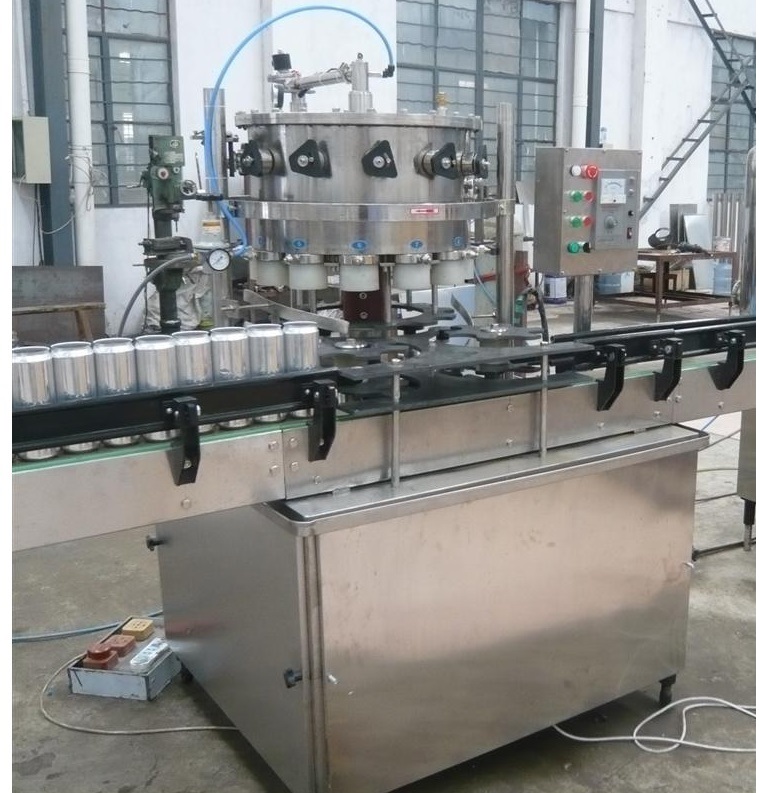
Improving Packaging Productivity Through Modern Filling Machinery

Efficient packaging depends on reliable filling processes that maintain consistent output, accuracy, and smooth workflow coordination. Modern filling machinery helps production teams improve productivity by combining precise filling performance with streamlined handling and convenient operational controls. Advanced designs support different container formats while helping maintain dependable production speeds. By integrating efficient filling solutions into packaging operations, businesses can achieve better workflow continuity, improved product consistency, and stronger overall productivity. Thoughtful machinery selection can also create a foundation for scalable production and long-term operational efficiency.

Enhancing Filling Speed

Modern filling machinery is designed to support steady production while maintaining controlled filling performance.

  • Faster filling cycles help increase overall production capacity.
  • Automated movements support smooth and continuous operations.
  • Consistent cycle timing contributes to predictable output.
  • Efficient container handling helps minimize unnecessary delays.
  • High-speed performance supports growing packaging requirements.

Improving Filling Accuracy

Filling Machines

Precision is an important factor in maintaining product consistency and reducing material waste.

  • Accurate filling mechanisms help maintain uniform quantities.
  • Controlled dispensing supports dependable product presentation.
  • Precise operation can reduce unnecessary product loss.
  • Consistent fill levels contribute to professional packaging quality.
  • Reliable measurement helps support efficient material usage.

Supporting Flexible Production

Modern machinery can accommodate changing production requirements with adaptable features. For operations exploring advanced solutions, https://www.levapack.com/can-filling-machines/ can serve as a useful reference when considering filling machinery options.

  • Adjustable settings can support different container sizes.
  • Flexible configurations help accommodate varied product requirements.
  • Quick changeover capabilities encourage smoother production transitions.
  • Adaptable equipment supports multiple packaging formats.
  • Scalable designs make future production expansion more convenient.

Streamlining Workflow Performance

Improved coordination between filling stages can create a more efficient packaging environment.

  • Automated feeding helps maintain consistent container movement.
  • Integrated filling processes support smoother line coordination.
  • Reduced manual handling can improve workflow efficiency.
  • Organized machine layouts can make routine operations more convenient.
  • Stable performance supports consistent production scheduling.

Strengthening Operational Efficiency

Modern filling machinery can contribute to long-term productivity by combining dependable performance with user-friendly operation.

  • Simple controls can make routine adjustments easier.
  • Accessible components support convenient maintenance activities.
  • Durable construction encourages dependable daily performance.
  • Efficient operation can contribute to better resource management.
  • Consistent machinery performance supports reliable production planning.
  • Modern safety features can promote confident equipment operation.
  • Reduced interruptions help maintain productive workflow continuity.

Building Future Ready Packaging Operations

Investing in suitable filling machinery provides opportunities to improve current performance while preparing for future production needs.

  • Scalable equipment can support increasing output requirements.
  • Flexible systems allow production processes to evolve.
  • Consistent performance helps maintain quality as volume grows.
  • Efficient automation supports better workforce utilization.
  • Reliable machinery creates a strong foundation for sustainable productivity.

Modern filling machinery offers a practical pathway toward faster, more accurate, and more coordinated packaging operations. Through improved filling precision, adaptable configurations, streamlined handling, and dependable performance, these systems can help production environments achieve stronger efficiency. Careful equipment selection allows packaging operations to align machinery capabilities with current requirements while creating opportunities for future growth. With the right combination of speed, accuracy, flexibility, and operational reliability, modern filling solutions can make everyday packaging workflows more productive and consistent.

Creative Growth Planning Encourages Positive Business Expansion Opportunities

Creative growth planning gives businesses a purposeful framework for achieving expansion while maintaining a strong focus on long-term value. Combining fresh ideas with thoughtful strategies helps businesses discover new opportunities, strengthen customer relationships, and build a confident path toward sustainable development.

Establishes Clear Growth Goals

A clear direction helps businesses organize their ambitions and turn ideas into practical objectives. Well-defined goals create focus, encourage coordinated efforts, and make it easier to recognize meaningful opportunities for progress.

  • Defines achievable expansion objectives
  • Establishes clear business priorities
  • Creates focused development plans
  • Encourages confident decision-making
  • Supports measurable progress

Identifies New Opportunities

Creative planning encourages businesses to explore possibilities from different perspectives. By understanding customer interests and emerging needs, businesses can uncover valuable opportunities that support broader growth and stronger market participation.

  • Explores emerging customer needs
  • Identifies promising growth areas
  • Encourages innovative thinking
  • Discovers new value opportunities
  • Supports thoughtful expansion decisions

Strengthens Customer Understanding

Customer knowledge is an important foundation for successful expansion. Growth planning helps businesses consider customer expectations when developing new offerings, improving experiences, and creating meaningful ways to increase engagement.

  • Understands customer preferences
  • Identifies valuable customer expectations
  • Improves customer experiences
  • Develops relevant offerings
  • Encourages stronger relationships

Encourages Creative Strategy

Fresh thinking can make growth plans more flexible, engaging, and effective. Creative strategies allow businesses to explore different approaches while maintaining alignment with their broader objectives and desired outcomes.

  • Develops original growth concepts
  • Encourages collaborative brainstorming
  • Explores alternative approaches
  • Strengthens strategic creativity
  • Inspires practical innovation

Businesses seeking additional creative perspectives can explore https://carambamedia.nl/ for ideas that support thoughtful marketing direction and positive growth planning.

Improves Resource Planning

Effective expansion requires thoughtful use of available resources. Professional growth planning helps businesses organize time, talent, and investment around important priorities, creating a balanced foundation for continued development.

  • Prioritizes important initiatives
  • Organizes available resources
  • Encourages efficient planning
  • Supports coordinated execution
  • Strengthens operational focus

Builds Stronger Market Presence

Consistent growth planning can help businesses communicate their value more effectively. A clear expansion strategy supports recognizable messaging, stronger customer awareness, and a positive presence that encourages continued interest.

  • Improves business visibility
  • Strengthens value communication
  • Encourages customer awareness
  • Supports consistent messaging
  • Creates positive market impressions

Supports Adaptable Expansion

Flexible planning enables businesses to respond positively as opportunities evolve. Maintaining an adaptable approach allows teams to refine their strategies, embrace new possibilities, and continue progressing toward long-term objectives.

  • Encourages flexible decision-making
  • Responds positively to opportunities
  • Supports strategic adjustments
  • Promotes continuous learning
  • Strengthens future readiness

Creates Sustainable Business Growth

Successful expansion is strongest when it is built on thoughtful planning and consistent improvement. Creative growth strategies help businesses establish dependable foundations while creating opportunities for lasting development and stronger future performance.

  • Encourages sustainable expansion
  • Strengthens business confidence
  • Builds lasting customer value
  • Supports future opportunities
  • Promotes continuous progress

Creative growth planning brings strategy, innovation, customer understanding, and organized execution together. By applying these strengths consistently, businesses can uncover valuable opportunities, strengthen their foundations, and pursue positive expansion with clarity, confidence, and long-term purpose.

How to Get the Right Quote for Your Outdoor Living Project

Planning an outdoor living project is exciting, but understanding the costs before construction begins is just as important. Whether you are considering a patio, pergola, covered entertaining area, or a broader backyard renovation, a detailed quote can help you understand what you are paying for and make it easier to compare different options.

A good quote should do more than provide a final figure. It should give you a clear picture of the proposed work, materials, inclusions, exclusions, and expected timeframe.

Know What You Want Before Requesting a Quote

If you are ready to get a Homestyle Living quote, it helps to have a basic idea of what you want to achieve before speaking with a professional. You do not need a complete design, but knowing your priorities can make the initial conversation much more productive.

Start by thinking about how you want to use the outdoor area. You may want a covered space for family meals, a comfortable area for entertaining guests, or a shaded place to relax during the warmer months.

Other features you may want to consider include:

• Outdoor dining

• Comfortable seating

• Shade

• Weather protection

• Privacy

• Lighting

• Storage

• Landscaping

Having a list of priorities allows a professional to understand your expectations and develop a proposal around the features that matter most to you.

Assess Your Existing Outdoor Space

The condition and layout of your property can influence the design and cost of an outdoor project. Before requesting a quote, take some time to consider how the existing space could accommodate the proposed improvements.

Look at the available area, existing structures, garden beds, pathways, doors, windows, and access points. Drainage and ground conditions may also need to be considered.

Think about how materials and people will move between the house and the proposed outdoor area. Convenient access can make a significant difference to the practicality of the finished space.

A professional may identify site considerations that are not immediately obvious to a homeowner. Providing as much useful information as possible during the early stages can help create a more realistic proposal.

Decide Which Features Matter Most

Outdoor projects can include a wide range of features, and adding everything at once may not always be necessary. Before comparing quotes, separate the features you consider essential from those that would simply be nice to have.

For example, a covered roof may be essential if you want reliable shade and protection from rain. Additional lighting or decorative landscaping may be optional depending on your budget.

Creating a priority list can also make it easier to adjust the project if the initial proposal costs more than expected. Instead of removing important elements at random, you can identify which optional features could be postponed or changed.

Ask for a Detailed Quote

A useful quote should provide enough information for you to understand what is being proposed.

Depending on the project, the quote may include details about:

• Scope of work

• Materials

• Labour

• Site preparation

• Construction

• Finishing work

• Additional services

• Expected timeframe

The more clearly these elements are explained, the easier it becomes to compare different proposals.

A single total price without information about what is included may not provide enough detail to make a fair comparison.

Understand What Is Included

When reviewing a quote, look carefully at the inclusions. Do not assume that every part of the project is covered simply because it appears to be part of the overall design.

Depending on the project, you may need to clarify whether the proposal includes design work, materials, labour, site preparation, waste removal, electrical work, landscaping, and finishing details.

The exact requirements will depend on the project. What matters is knowing precisely what you are receiving for the quoted amount.

Two quotes that appear to describe the same project can have very different prices because one includes additional work or higher specification materials.

Check What Is Excluded

Exclusions deserve just as much attention as inclusions. A quote may not cover certain work that you assumed was part of the project.

Potential exclusions could relate to site preparation, electrical work, landscaping, approvals, additional structural requirements, or unexpected site conditions.

Ask questions whenever an item is unclear. It is better to identify an exclusion before construction begins than to discover later that additional work is required.

A clear discussion about exclusions can also help establish a more realistic overall budget.

Compare Quotes on More Than Price

Price is naturally an important consideration, but choosing the lowest quote without examining the details can create problems.

Instead, compare the overall value of each proposal. Look at the scope of work, materials, experience, communication, expected timeframe, inclusions, and exclusions.

For example, one quote may cost more because it includes additional preparation or different materials. Another may have a lower price because certain elements are excluded.

Try to compare similar scopes wherever possible. If the proposals are substantially different, ask the professionals to explain the differences before deciding.

Ask About Materials

Materials can influence the appearance, maintenance, durability, and cost of an outdoor project.

Ask what materials are being proposed and why they have been selected for your property. It can also be useful to ask whether alternative materials are available and how those options could affect the overall price.

Consider the amount of maintenance you are prepared to undertake. Some finishes may require more regular cleaning or care than others.

Outdoor materials are exposed to sunlight, rain, humidity, and regular use, so their suitability for the environment should form part of the discussion.

Understand the Expected Timeline

A quote should ideally provide some indication of how long the project is expected to take.

The timeframe can depend on factors such as the size of the project, design complexity, material availability, site conditions, weather, approvals, and changes made during construction.

Ask what factors could affect the proposed schedule. A realistic timeframe is generally more useful than an overly optimistic promise that does not account for potential complications.

Understanding the expected schedule can also help you plan around construction and make arrangements for access to the property.

Ask How Changes Are Handled

Even with careful planning, changes can sometimes become necessary during an outdoor project. A site condition may require an adjustment, or a homeowner may decide to change a feature after seeing the design in more detail.

Before construction begins, ask how changes are handled.

Find out:

• How changes are approved

• How additional costs are calculated

• Whether changes affect the project timeframe

• Who needs to approve variations

• How updated costs are communicated

Having a clear process can help prevent misunderstandings if the original plan needs to change.

Consider Experience and Previous Work

Experience can be useful when selecting someone to complete an outdoor project. Look at examples of previous work and consider whether the professional has completed projects similar to what you have in mind.

A portfolio can provide insight into the types of spaces they have worked on and how they approach different properties.

However, previous work should not be the only consideration. Communication, transparency, project scope, materials, and the ability to understand your requirements are also important.

A professional who listens carefully and explains the proposal clearly can make the planning process much easier.

Ask Questions Before Accepting the Quote

Before accepting a quote, make sure you are comfortable with the answers to your most important questions.

Consider asking:

• What exactly is included?

• What is excluded?

• Which materials are included?

• What preparation is required?

• How long is the project expected to take?

• Could site conditions affect the cost?

• How are changes handled?

• What could cause delays?

• Are there approvals that need to be considered?

• What happens once the project is completed?

You do not need to ask every possible question, but anything that could affect the scope, cost, or timing should be clarified before work begins.

Keep Your Project Priorities in Focus

It is easy to become distracted by additional features when planning an outdoor renovation. A quote may include ideas that look appealing but do not necessarily address your main requirements.

Return to the reasons you wanted the project in the first place.

If your primary goal is creating a comfortable entertaining area, focus on the space, shade, seating, dining, and access. If privacy is the main concern, consider how the design addresses screening and the relationship with neighbouring properties.

Keeping your original priorities in focus can help you make decisions that provide genuine value rather than simply increasing the scope of the project.

Make an Informed Decision

Getting the right quote is about more than finding the lowest price. It is about understanding exactly what is being proposed and determining whether the project suits your property, lifestyle, and budget.

Start with clear goals, assess the existing space, and identify your essential features. Once you receive a quote, examine the scope, materials, inclusions, exclusions, timeframe, and process for handling changes.

Taking the time to ask questions and compare proposals carefully can give you greater confidence before construction begins. With a clear understanding of what you are paying for, you can move forward with an outdoor living project that is designed around the way you want to use your home.